Carpenter Ants: Your Essential Guide to Protecting Your Home's Wood
Worried about pests damaging your home? Discover everything homeowners need to know about carpenter ants, from easy identification tips to understanding the serious harm they can cause to wood. Learn how to spot the signs and take action to keep your property safe and sound with expert insights from Inspect Pest Control.
Carpenter Ants: Tiny Pests, Big Problems for Your Home
Ants are incredibly common creatures, found almost everywhere on Earth. Among the many types, there’s one that homeowners need to be particularly aware of: the carpenter ant. These industrious insects might seem harmless at first, but they can cause significant damage to your home if left unchecked.
At Inspect Pest Control, we believe an informed homeowner is a protected homeowner. Let's dive into what carpenter ants are, how to spot them, and why they’re a concern.
What Exactly Are Carpenter Ants?
Carpenter ants belong to a large family of ants, with over 1,000 known species globally. In North America, they are actually some of the largest ants you'll encounter. Unlike termites, which actually eat wood, carpenter ants simply tunnel through wood to create nests for their colonies. Think of them as tiny excavators, not diners.
They are known for their social organization, living in colonies that can grow quite large, sometimes housing thousands of individuals.
How to Spot a Carpenter Ant:
It’s easy to confuse carpenter ants with other ants or even termites. Here’s what makes them unique:
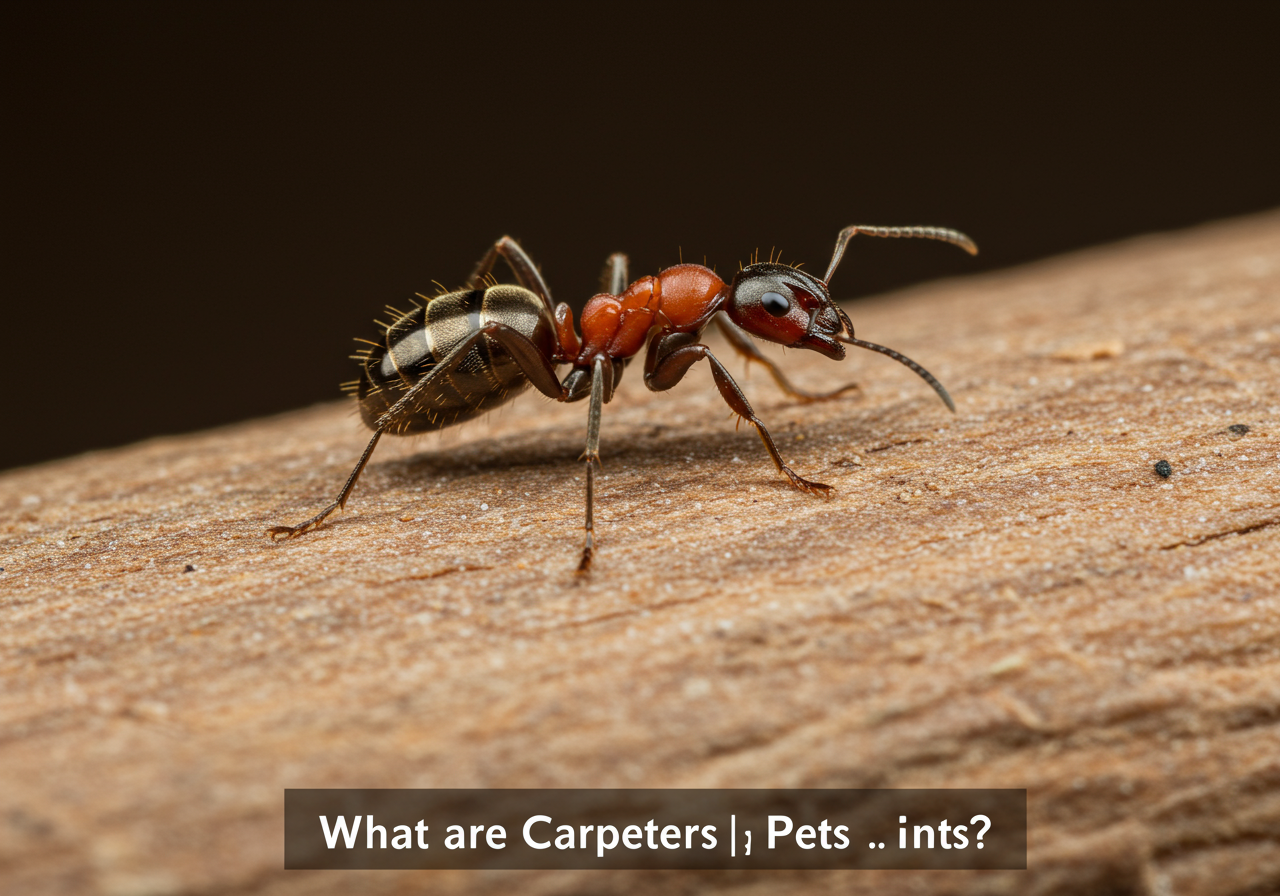
- Size: They can be quite large, with worker ants reaching up to half an inch long, and queens even larger.
- Color: Most are black, reddish-black, or dark brown.
- Body Shape: They have a distinctly segmented body with a narrow waist between their middle section (thorax) and their rear section (abdomen).
- Antennae: Look for their "elbowed" antennae – they have a distinct bend in them. This is a key difference from termites, which have straight antennae.
- Wings: If you see winged ants (called "swarmers"), carpenter ants will have two pairs of wings where the front pair is longer than the back pair. Termite swarmers have wings of equal length.
Within a single colony, you'll often see different sizes of worker ants, from smaller "minor" workers to larger "major" workers.
Where Do Carpenter Ants Build Their Nests?
Carpenter ants prefer to make their homes in wood that has been softened by moisture or decay. While you might find them in old tree stumps, logs, or dead branches outdoors, the real problem arises when they decide to move into your house.
They'll excavate smooth, clean tunnels and galleries within wooden structures. This can include:
- Window frames
- Door frames
- Porch columns
- Wooden decks
- Sills
- Attic timbers
- Even insulation
A carpenter ant colony often starts with a "parent" nest in a moist area. As the colony grows, they might establish "satellite" nests in drier, sounder wood throughout your home. These satellite nests are particularly concerning because they are harder to locate and can quickly spread the infestation.
Signs You Might Have Carpenter Ants
Catching an infestation early is key to preventing serious damage. Keep an eye out for these clues:
- Sawdust Piles (Frass): As they tunnel, carpenter ants push out a fine sawdust-like material mixed with wood shavings, insect body parts, and insulation. You might find these piles near baseboards, windowsills, or under wooden beams.
- Visible Ants: Seeing large ants, especially winged ones, inside your home is a major red flag. If you see them regularly, it suggests a nest is nearby. They are often more active at night.
- Rustling Sounds: Some homeowners report hearing faint rustling or crunching sounds coming from inside walls or wooden structures, particularly at night when the house is quiet. This is the sound of ants busily tunneling.
- Damaged Wood: Unlike termites, carpenter ant damage creates very clean, smooth tunnels inside the wood. If you probe softened wood with a screwdriver and find these smooth galleries, you likely have carpenter ants.
Why Are Carpenter Ants a Threat to Your Home?
While carpenter ants don't eat your home's wood, their constant tunneling can severely weaken wooden structures over time. This can lead to costly repairs and compromise the structural integrity of your house. It’s not an overnight disaster like some rapid infestations, but the damage can accumulate quietly and significantly over months or even years. They are considered one of the most common and destructive structural pests.
Protect Your Home with Inspect Pest Control
Don't let carpenter ants chew through your peace of mind and your home's structure. If you suspect a carpenter ant infestation, it's crucial to act quickly and call in the professionals. Trying to tackle these pests on your own often only addresses the visible ants, leaving the main colony and its satellite nests intact to continue causing damage.
At Inspect Pest Control, we specialize in Carpenter Ant Control and provide comprehensive pest solutions to homeowners and businesses throughout Essex County, New Jersey. Our experienced team understands the habits of carpenter ants and uses effective, eco-friendly methods to identify, eliminate, and prevent their return.
We proudly serve communities across Essex County, including:
- Bloomfield
- Montclair
- West Orange
- Nutley
- Caldwell
- North Caldwell
- Verona
- Maplewood
- South Orange
- Roseland
- Glen Ridge
- Belleville
- Cedar Grove
- Livingston
- Millburn
- Fairfield
When you partner with Inspect Pest Control, you benefit from our superior customer service, guaranteed solutions, and transparent pricing. We pride ourselves on offering our best price always, with no hassling needed.
Don't wait for tiny pests to cause big problems. If you're seeing signs of carpenter ants or want to proactively protect your home, contact Inspect Pest Control today! We're here to help you live pest-free.
Get Your Free Pest Control Quote in Cedar Grove, NJ
Ready to get rid of pests? Connect with Inspect Pest Control today! Simply fill out our short form, and one of our friendly local experts will call you back to discuss your specific pest problem and provide a free, no-obligation quote for effective pest control services in your Cedar Grove, NJ home. Let's make your home comfortable and pest-free!
More Blogs
Some other blogs you might be interested in