Are Rodents Dangerous? Uncover the Hidden Risks to Your Home & Family
Think those tiny invaders are harmless? Learn the surprising truth about the health dangers, property damage, and food contamination rodents like mice and rats can cause. Protect your home and loved ones – Inspect Pest Control is here to help you understand the threat and offer effective solutions.
Are Rodents Dangerous? The Hidden Risks Lurking in Your Home
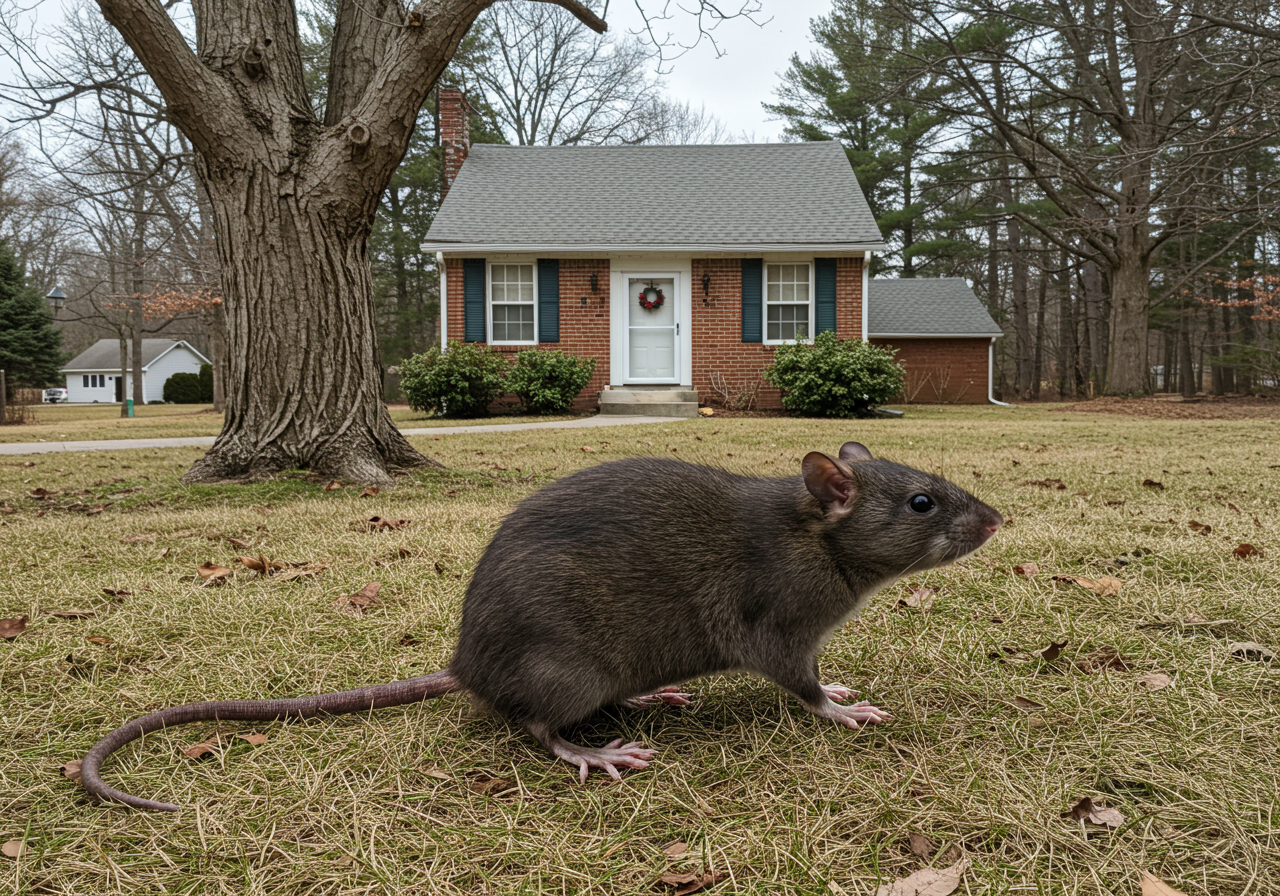
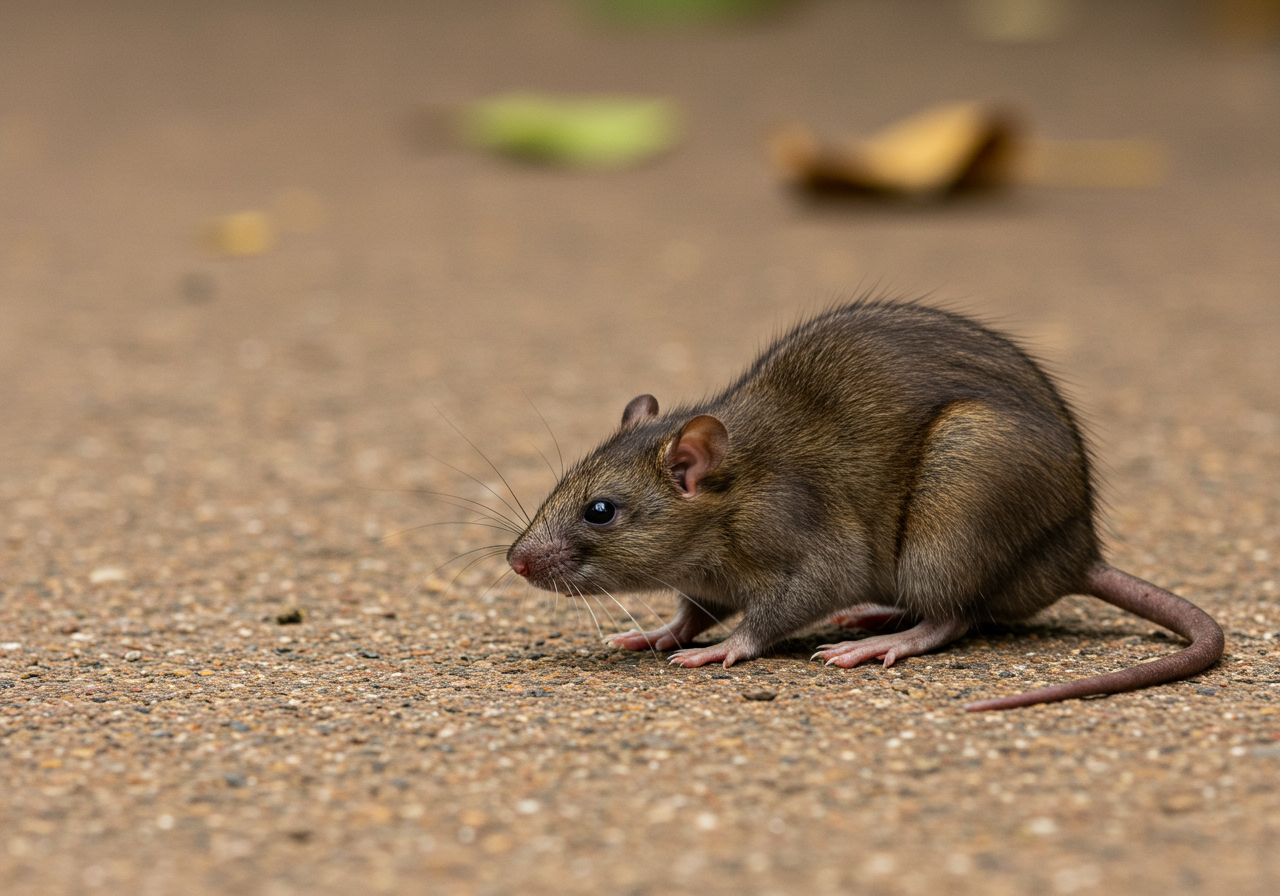
Finding a mouse scurrying across your kitchen floor or hearing scratching in the walls can be unsettling. Beyond the creepy-crawly factor, many homeowners wonder: are rodents truly dangerous? The short answer is a resounding yes. These seemingly small pests can pose significant threats to your family's health and your home's structure.
At Inspect Pest Control, we understand the anxieties that come with a rodent problem. That's why we're here to explain just how dangerous rodents can be and what you can do to protect your home.
The Serious Health Risks Rodents Bring
Rodents, including mice and rats, are much more than just a nuisance. They are known carriers of numerous disease-causing germs and parasites that can easily spread to humans and pets.
Diseases They Spread
Rodents can transmit diseases in several ways:
- Direct Contact: Through bites, scratches, or contact with their urine or droppings.
- Contaminated Food & Water: By leaving their waste on food preparation surfaces or directly on food items.
- Airborne Particles: When their droppings and urine dry, tiny particles can become airborne and be inhaled, carrying pathogens.
Some of the concerning diseases associated with rodents include:
- Hantavirus: A severe respiratory disease that can be fatal. It's often spread when people breathe in air contaminated with rodent urine, droppings, or nesting materials.
- Salmonellosis: A common bacterial infection that causes fever, diarrhea, and stomach cramps. Rodents can carry the bacteria on their bodies and in their feces, contaminating food and surfaces.
- Leptospirosis: A bacterial disease that can cause flu-like symptoms, kidney damage, and liver failure. It's spread through contact with water or soil contaminated with rodent urine.
- Rat-Bite Fever: A bacterial infection transmitted through rodent bites or scratches, or by consuming food or water contaminated with rodent droppings.
Allergies and Asthma Triggers
Even without direct disease transmission, the presence of rodents can worsen respiratory conditions. Their droppings, urine, and shed hair can become airborne allergens, triggering asthma attacks and allergic reactions in sensitive individuals, especially children.
Hitchhiking Pests
Rodents often carry other unwelcome guests – parasites. Fleas, ticks, and mites commonly hitch a ride on rodents. These parasites can then jump off their rodent hosts and infest your home, potentially biting humans and pets. Some of these parasites, like fleas, can transmit their own set of diseases, such as the plague (though rare today) or murine typhus.
Consider this: According to the Centers for Disease Control and Prevention (CDC), rodents are implicated in the transmission of over 35 diseases worldwide. This highlights the widespread health hazard they represent.
The Costly Damage Rodents Inflict on Your Home
Beyond health concerns, rodents are notorious for the structural damage they can cause to your property. Their constant need to chew to keep their teeth from growing too long leads to significant destruction.
Structural and Electrical Damage
- Chewing Wires: Rodents frequently gnaw on electrical wires, which can strip insulation, create fire hazards, and lead to power outages. It's estimated that a significant portion of unexplained house fires are linked to rodent damage to electrical systems.
- Damaged Pipes: They can chew through plastic pipes, leading to leaks and costly water damage.
- Insulation Destruction: Rodents love to nest in insulation, tearing it apart to create cozy homes. This reduces your home's energy efficiency and leaves behind contaminated materials.
- Gnawed Wood and Drywall: Baseboards, doorframes, cabinets, and drywall are all fair game for a rodent's relentless chewing, leaving unsightly and costly damage.
Contamination and Food Spoilage
Rodents contaminate far more food than they actually eat. They will explore your pantry, chewing into food packaging, leaving droppings, and spreading bacteria. This renders food unusable and requires careful cleaning and sanitization of contaminated areas.
A sobering thought: While specific homeowner costs are hard to pinpoint, the pest control industry estimates that rodents cause billions of dollars in property damage annually across the United States, requiring extensive repairs for countless homeowners.
Why Are Rodents Attracted to Your Home?
Rodents are opportunistic survivors. They seek three main things: food, water, and shelter. Your home provides all of these in abundance, especially as seasons change and outdoor resources become scarce.
- Food Sources: Crumbs, spilled pet food, accessible trash cans, garden produce, and poorly sealed pantry items are all gourmet meals for rodents.
- Water Sources: Leaky pipes, condensation, pet water bowls, and even standing water in sinks can provide the hydration they need.
- Shelter: Warmth, protection from predators, and quiet places to nest are invaluable. They'll find their way into attics, basements, wall voids, cabinets, and even behind large appliances.
Signs You Might Have a Rodent Problem
Keep an eye out for these clues:
- Droppings: Small, pellet-like droppings found in cupboards, drawers, or along baseboards.
- Gnaw Marks: Small chew marks on food packaging, wires, or wooden structures.
- Scratching Noises: Sounds of movement in walls, attics, or basements, especially at night.
- Nests: Piles of shredded paper, fabric, or other soft materials.
- Urine Odor: A distinct, musky smell, particularly in enclosed areas.
- Visual Sightings: The most obvious sign – seeing a mouse or rat.
Don't Let Rodents Endanger Your Home – Call the Experts!
Given the significant health and property risks posed by rodents, it's clear that these pests are not something to be ignored or handled with DIY methods alone. Professional rodent control is essential for safe and effective removal and prevention.
At Inspect Pest Control, we specialize in comprehensive Mice Control and Rat Control services designed to protect your home and family. Our experienced technicians understand rodent behavior and utilize effective, environmentally responsible solutions to eliminate infestations and prevent future problems.
We proudly serve homeowners and businesses throughout Essex County, NJ, including communities like Bloomfield, Montclair, West Orange, Nutley, Caldwell, North Caldwell, Verona, Maplewood, South Orange, Roseland, Glen Ridge, Belleville, Cedar Grove, Livingston, Millburn, and Fairfield.
When you choose Inspect Pest Control, you can expect:
- Thorough inspections to identify rodent entry points and nesting areas.
- Targeted treatment plans for effective removal.
- Expert advice on exclusion techniques to seal your home against future invasions.
- Our commitment to "Transparent Pricing, No hassling needed. Our price is our best price always."
Don't let dangerous rodents threaten your peace of mind. If you suspect you have a rodent problem, contact Inspect Pest Control today for a professional inspection and reliable Rodent Control services. Protecting your home is our priority.
Get Your Free Pest Control Quote Today!
Ready to get rid of pests and reclaim your home? Inspect Pest Control makes it easy to get started. Simply fill out our quick form below, and one of our friendly local experts will call you back to discuss your specific pest concerns and provide a personalized, free quote. We offer effective and reliable pest control solutions for homeowners in Cedar Grove, NJ, and surrounding areas, ensuring your home is safe and comfortable again. Get your no-obligation quote today and enjoy peace of mind!
More Blogs
Some other blogs you might be interested in